 Minstrong Technology Co., Ltd
I. The Core Role of the Carrier The carrier is crucial for the industrial application of copper oxide catalysts, with four core roles:
1. Improving the dispersion of copper oxide, enhancing catalytic efficiency in scenarios such as carbon monoxide oxidation and ozone decomposition;
2. Enhancing thermal stability, preventing sintering deactivation of copper oxide under medium and high temperature conditions;
3. Improving resistance to poisoning, adapting to complex industrial exhaust gas conditions containing sulfur and high humidity;
4. Ensuring mechanical strength, meeting the industrial filling and long-term operation requirements of carbon monoxide catalysts and ozone decomposition catalysts. All four roles are indispensable.
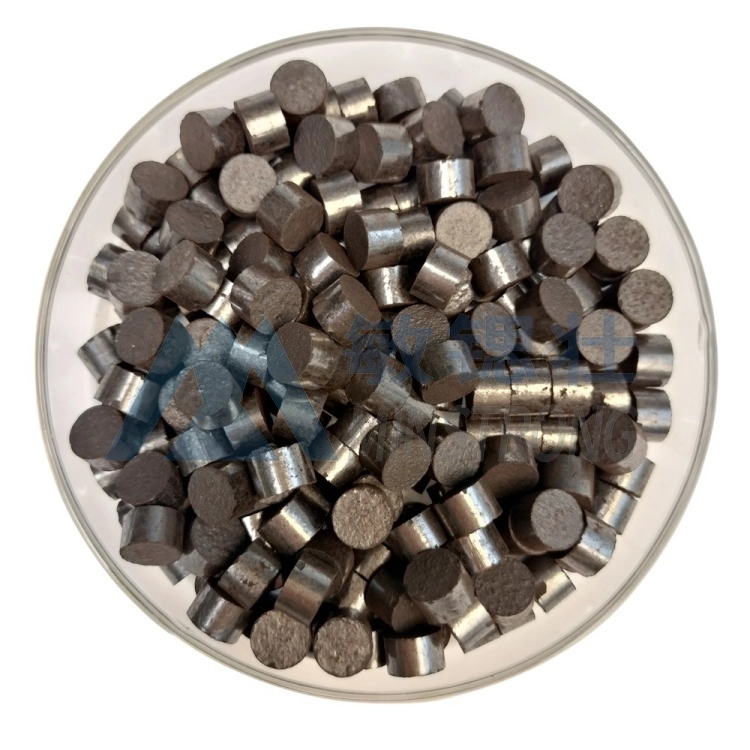
II. Key Considerations for Mainstream Catalyst Selection
1. Alumina-supported copper oxide catalyst: The preferred general-purpose, low-cost option, suitable for ambient temperature, sulfur-free and chlorine-free carbon monoxide oxidation, and ambient temperature ozone decomposition. High cost-effectiveness, but its resistance to poisoning is only average.2. Titanium dioxide-supported copper oxide catalyst: A sulfur-resistant type, suitable for carbon monoxide removal and VOCs catalytic combustion in sulfur-containing exhaust gases. It exhibits better high-temperature resistance than alumina and outstanding resistance to poisoning.
3. Zirconia-supported copper oxide catalyst: High-temperature stable, suitable for harsh industrial conditions >400℃. Excellent corrosion and poisoning resistance, suitable for catalytic reactions in high-temperature exhaust gases, but its cost is higher.
4. Composite support (Ce-Zr-Al, etc.) copper oxide catalyst: Offers the best overall performance, with customizable performance parameters. Suitable for complex multi-pollutant conditions containing sulfur and high humidity, meeting the needs of high-end carbon monoxide and ozone decomposition catalysis.
III. Key Selection Criteria and Common Misconceptions The core of copper oxide catalyst support selection is "operating condition suitability":
For low-temperature carbon monoxide oxidation and room-temperature ozone decomposition, choose activated carbon or CeO₂ composite supports;
for medium-temperature conditions, choose alumina or titanium dioxide supports;
for high-temperature conditions, choose zirconium oxide supports; for sulfur-containing tail gas, titanium dioxide supports are essential;
for high-humidity environments, avoid activated carbon supports, while simultaneously considering operating costs and catalyst lifespan.
Common industrial selection misconceptions to avoid include: blindly pursuing high-end supports leading to cost waste; focusing solely on specific surface area while ignoring the interfacial interaction between the support and copper oxide; neglecting mechanical strength leading to industrial packing failure; and applying a single support universally to all operating conditions. These misconceptions all result in poor compatibility and rapid deactivation of the copper oxide catalyst.
IV. Summary and Recommendations The core principles for selecting copper oxide catalyst supports are "adaptability to operating conditions, performance matching, and cost balance":
For conventional sulfur-free and chlorine-free operating conditions, alumina-supported copper oxide catalysts are preferred, considering cost-effectiveness;
for complex operating conditions such as sulfur-containing and high-humidity conditions, titanium dioxide or composite-supported copper oxide catalysts are selected to improve resistance to poisoning;
for harsh high-temperature conditions above 400℃, zirconium oxide supports are selected to ensure catalytic stability. Choosing the right support can significantly improve the efficiency of carbon monoxide and ozone decomposition catalysts, reducing industrial operation and replacement costs.
If you are confused about the selection of copper oxide catalyst supports for different operating conditions, you can consult a professional for customized solutions based on your specific production and experimental conditions to help the catalytic system operate efficiently and stably.
Author: Hazel
Date: 2026-03-12
WeChat
Scan the QR Code with wechat