 Minstrong Technology Co., Ltd
Notification
-
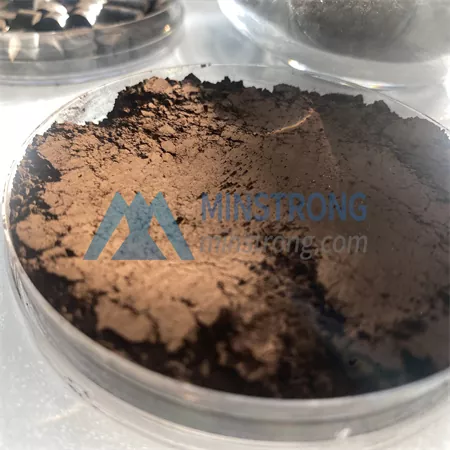
Why Do Manganese Dioxide Catalysts Deactivate in High-Humidity Environments?
In high-humidity environments, the active sites of manganese dioxide catalysts are subject to competitive adsorption by water molecules. Simultaneously, hydroxyl species resulting from the dissociation of water accumulate at lattice oxygen sites, leading to catalyst poisoning and a significant decline in catalytic efficiency. This paper provides an in-depth analysis of the core mechanisms underlying water-induced deactivation. It systematically outlines a comprehensive chain of solutions—ranging -
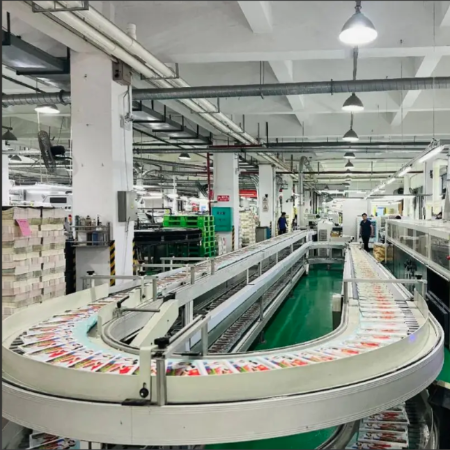
Printing and Spraying Waste Gas Treatment: How to Precisely Adapt Ozone Decomposition Catalysts to Operating Conditions?
After UV photolysis or low-temperature plasma treatment, waste gas from the printing and spraying industry often retains high concentrations of ozone, causing secondary pollution. If the ozone decomposition catalyst is not matched to the actual operating conditions, it will lead to a sharp drop in efficiency and a shortened lifespan. This article analyzes the core logic of catalyst adaptation to operating conditions from four dimensions: waste gas humidity, temperature, space velocity, and impur -
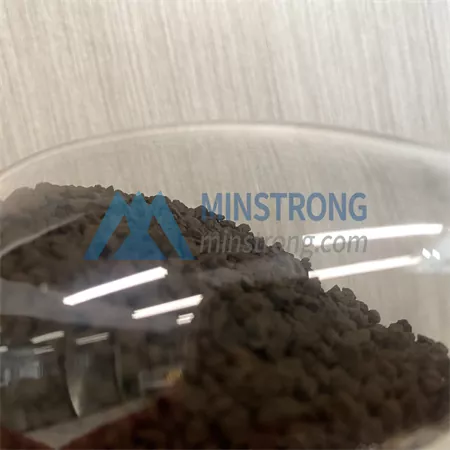
Are there any simple and effective regeneration methods after hopcalite catalysts fail?
hopcalite catalysts, as highly efficient room-temperature CO purification materials, often deactivate rapidly in practical applications due to problems such as water vapor and carbonate deposition, leading to decreased purification efficiency and soaring replacement costs. This article analyzes its deactivation mechanism in depth and clearly points out that heating regeneration is a simple, low-cost, and effective regeneration method: for water poisoning, heating at 100-130℃ for 4-10 m -
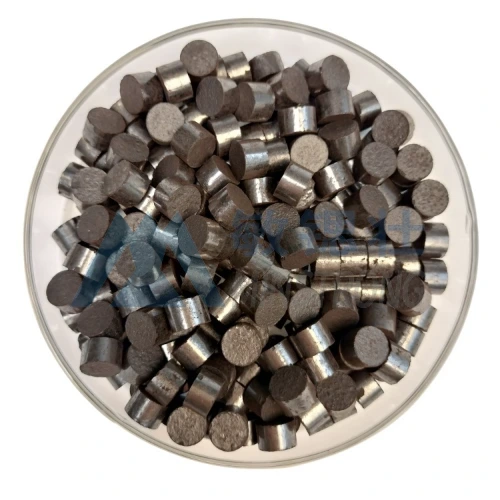
How to Select a Support for Copper Oxide Catalysts in Industrial Use?
This article addresses the pain points in selecting copper oxide supports for carbon monoxide and ozone decomposition catalysts, analyzes the performance differences of mainstream supports, clarifies the selection logic for different operating conditions, and provides professional reference for the industrial application and anti-poisoning selection of copper oxide catalyst supports.
WeChat
Scan the QR Code with wechat