 Minstrong Technology Co., Ltd
A scientifically designed carbon monoxide (CO) catalytic purification system should integrate catalyst performance, reactor structure, airflow distribution, temperature control, and safety measures. The rational design of each component directly affects purification efficiency, equipment lifespan, and operational safety. The following sections provide detailed guidance on each aspect.
Principle and Significance of Carbon Monoxide Catalytic Purification
Carbon monoxide is a toxic gas, and its catalytic purification primarily relies on catalysts to oxidize CO into carbon dioxide (CO₂). In industrial waste gas treatment, catalytic oxidation not only reduces environmental risks but also ensures compliance with emission standards. Understanding the catalytic mechanism helps determine catalyst type, operating temperature, and system conditions.
Catalyst Selection and Characteristics
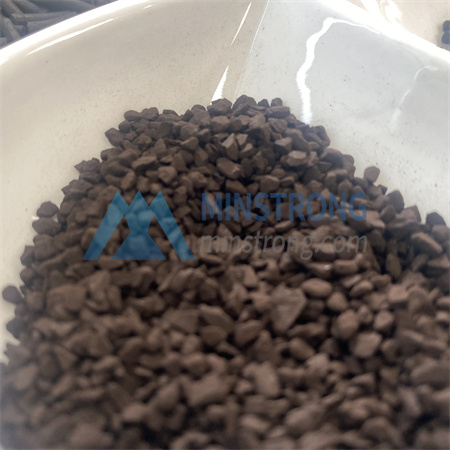
The catalyst is the core of the system. Its activity, thermal stability, and resistance to poisoning directly determine purification efficiency. Suitable catalysts should offer high CO conversion, an appropriate operating temperature range, and long-term stability. The composition of waste gas must also be considered to prevent catalyst deactivation. Additionally, catalyst particle shape and pore structure influence gas permeability and reaction rate.
Reactor Design and Airflow Distribution
Reactor structure must ensure uniform gas contact with the catalyst, avoiding short-circuiting and dead zones. Common configurations include fixed-bed, honeycomb, or multi-stage reactors. Proper airflow distribution improves contact efficiency, reduces pressure drop, and maintains uniform reaction temperature, preventing localized overheating.
Temperature Control and System Safety
Catalytic oxidation is an exothermic process, making temperature control critical. Systems should include precise temperature monitoring and overheat protection to keep the catalyst within the optimal range. CO concentration sensors and exhaust systems are also essential to respond to abnormal conditions, ensuring personnel safety and stable operation.
Operation, Maintenance, and Optimization
Regular inspection of catalyst condition and system pipelines prevents clogging, carbon deposition, or catalyst deactivation. Monitoring pressure drop and CO conversion helps identify performance changes and adjust operating parameters accordingly. Optimizing operation includes temperature regulation, airflow balancing, and staged catalyst bed utilization, which enhances overall purification efficiency and prolongs equipment lifespan.
author:kaka
date:2026/5/19
WeChat
Scan the QR Code with wechat