 Minstrong Technology Co., Ltd
The core mechanism of copper oxide catalysts is low-temperature catalytic oxidation, that is, oxidizing and decomposing reducing, combustible, and toxic gases into non-toxic and stable substances at relatively low temperatures. Its catalytic activity mainly comes from surface oxygen vacancies and copper species with variable valence states, which can rapidly activate oxygen and react with the target gas, thereby achieving efficient purification. Based on this characteristic, copper oxide catalysts can specifically treat a variety of common harmful gases in industry and the environment.
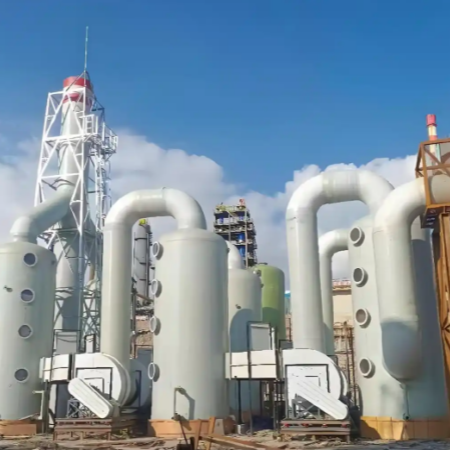
Carbon monoxide (CO) is the most typical target for copper oxide catalysts. CO, a colorless and odorless toxic gas, is widely present in boiler exhaust, gas-fired equipment emissions, chemical waste gas, and enclosed spaces. Copper oxide catalysts can efficiently catalytically oxidize CO to carbon dioxide (CO₂) under medium- and low-temperature conditions, featuring low ignition temperature, high purification efficiency, and long service life. This technology has been widely applied in exhaust gas purification devices, air purifiers, industrial waste gas treatment systems, and safety protection equipment.
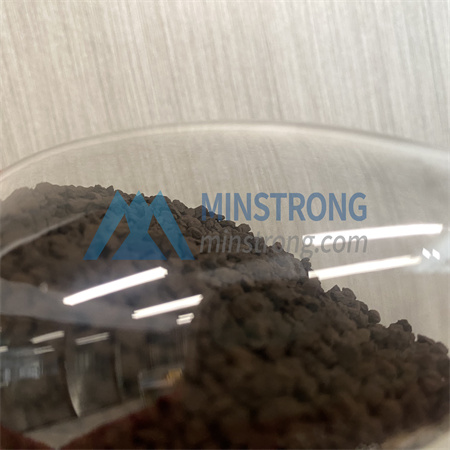
Formaldehyde, benzene compounds, and volatile organic compounds (VOCs) are key gaseous pollutants in indoor air and industrial waste gas treatment. These gases not only have irritating odors but can also cause long-term harm to human health. Copper oxide catalysts can decompose VOCs such as formaldehyde, alcohols, and esters into water and carbon dioxide through deep oxidation, achieving harmless treatment. Due to its mild reaction and lack of secondary pollution, copper oxide catalysts are often used in indoor air purification, painting waste gas treatment, and organic waste gas treatment in the printing industry.
Hydrogen sulfide (H₂S), mercaptans, and other sulfur-containing odorous gases are common pollutants in wastewater treatment, waste disposal, and biogas and natural gas purification processes. These gases are highly toxic, have a pungent odor, and can corrode pipelines and equipment. Copper oxide catalysts not only possess catalytic oxidation properties but also excellent adsorption and desulfurization capabilities, converting H₂S into elemental sulfur or sulfates, achieving integrated desulfurization and deodorization. In biogas purification, natural gas desulfurization, and odor gas treatment, copper oxide catalysts can effectively improve gas quality and meet environmental emission requirements.
Hydrogen (H₂) and ammonia (NH₃) are also applicable gases for copper oxide catalysts. In nuclear power plants, laboratories, and industrial protective gas environments, trace amounts of hydrogen pose safety hazards and can be converted into water through copper oxide catalytic oxidation. For low-concentration ammonia, copper oxide catalysts can selectively oxidize it into nitrogen and water, achieving deodorization and purification.
Compared to precious metal catalysts such as palladium and platinum, copper oxide catalysts have readily available and lower-cost raw materials, exhibit stable activity under medium- and low-temperature conditions, and demonstrate good resistance to poisoning, making them more suitable for large-scale industrial applications. In practical gas purification projects, copper oxide catalysts are often used in supported forms, further enhancing their specific surface area, activity, and lifespan by combining them with supports such as alumina and cerium oxide.
In summary, copper oxide catalysts are a highly efficient, economical, and versatile gas purification material, primarily suitable for treating various harmful gases such as carbon monoxide, formaldehyde, VOCs, hydrogen sulfide, hydrogen, and ammonia. They have broad application prospects in industrial waste gas treatment, odor control, air purification, and energy gas purification. With continuously improving environmental standards, copper oxide catalysts will continue to play a vital role in gas purification and environmental governance due to their unique advantages.
author:kaka
date:2026/3/11
WeChat
Scan the QR Code with wechat