 Minstrong Technology Co., Ltd
Industry News
-
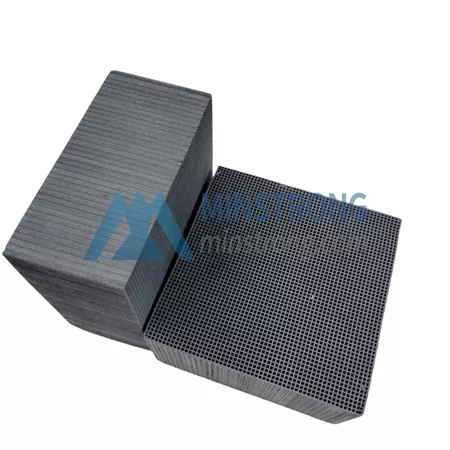
Analysis of Application Advantages of VOC Catalysts in the Semiconductor and Electronic Manufacturing Industries
This article analyzes their application advantages from the perspectives of process emissions, catalytic performance, and system integration. It highlights how catalytic oxidation technology supports stable air quality control, process safety, and compliance with strict environmental requirements in high-precision industrial environments. -
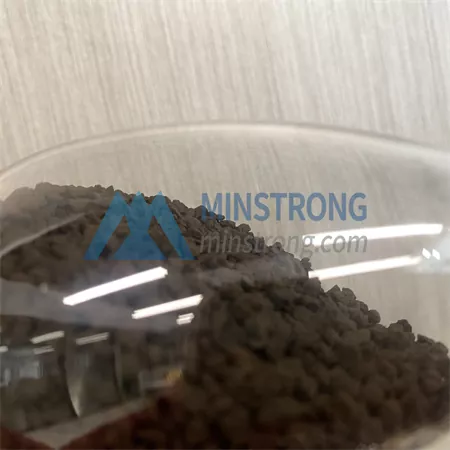
How to Select High-Efficiency CO Oxidation Catalysts for Different Operating Conditions
Requirements regarding catalyst activity, moisture resistance, mechanical strength, and service life vary significantly depending on operating conditions. This paper systematically analyzes the selection principles for industrial CO catalysts—covering application scenarios, key performance indicators, catalyst forms, and engineering case studies—to provide a reference for the design and operation of relevant projects. -
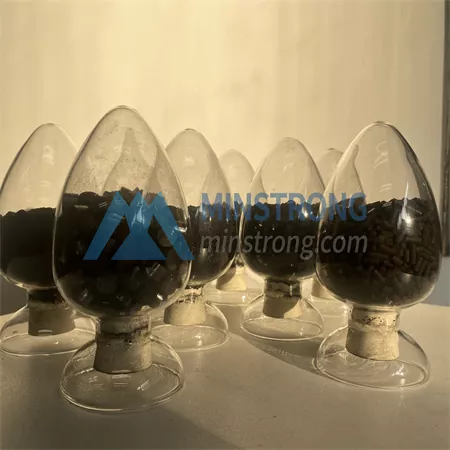
Technical Selection Logic and Core Advantages of Carbon Monoxide Catalysts in Industrial Waste Gas Treatment
Carbon monoxide (CO) is a primary toxic pollutant in emissions from industrial kilns, coking off‑gases, and boiler flue gases. Catalytic oxidation is the most effective technique for CO abatement. This article systematically analyzes the reaction mechanism of CO catalytic oxidation and compares the performance boundaries and application scopes of noble‑metal and non‑noble‑metal catalyst systems in industrial practice. -
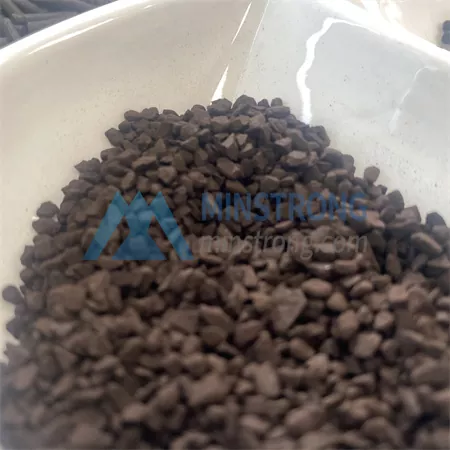
What Are the Application Scenarios of Carbon Monoxide Catalysts?
Carbon monoxide catalysts are widely utilized in fields such as air purification, gas masks, mine safety, air separation systems, high-purity gas production, and industrial exhaust gas treatment. This article systematically analyzes the operating conditions, selection criteria, and key influencing factors specific to various application scenarios, assisting users in selecting the most suitable CO catalyst solutions. -
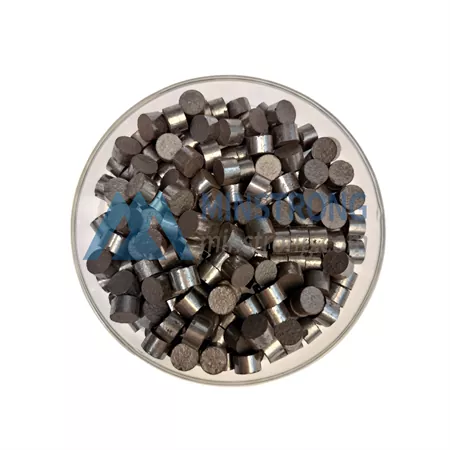
What are the application potentials of copper oxide-based catalytic materials in environmental protection?
This paper, starting from the intrinsic mechanism of the materials, systematically analyzes their key roles in wastewater treatment, air purification, and functional coatings, providing technical references for the selection of catalytic materials and application paths. -
How to Scientifically Design an Efficient Carbon Monoxide Catalytic Purification System
This paper systematically analyzes the key design considerations for carbon monoxide catalytic purification systems, including catalyst selection, reactor layout, airflow control, and safety measures. Through a combination of theory and practice, it provides a scientific and rational design method, offering a reference for waste gas treatment and industrial safety. -
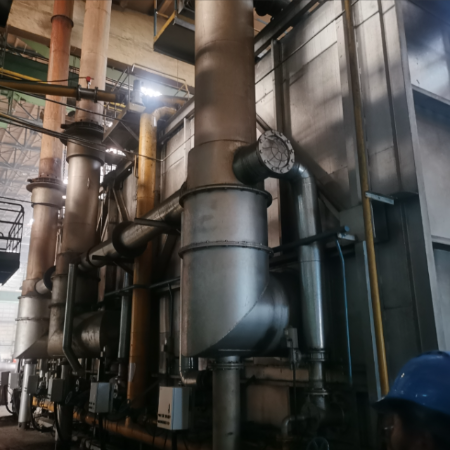
Design of Catalytic Systems for CO Removal in Industrial Boiler Flue Gas: Key Parameters and Engineering Solutions for L...
This paper analyzes the design of catalytic systems for CO removal in industrial boiler flue gas, focusing specifically on the characteristics of flue gas composition, the rationale behind catalyst selection, system structural design, operating temperature control, and the critical factors influencing catalyst service life. The aim is to assist engineering professionals in developing a more comprehensive design framework for CO abatement. -
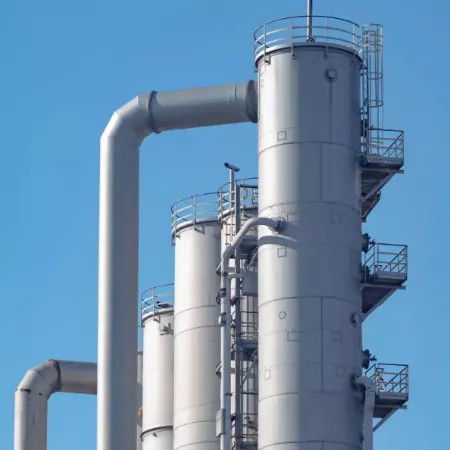
The Importance of Deep Deoxygenation Catalysts in High-Purity Nitrogen Purification
This paper systematically analyzes the working principles, process conditions, catalyst compositions, key factors influencing purification efficiency, and critical system design considerations for deep deoxygenation catalysts in practical applications. Furthermore, by highlighting the typical characteristics of copper-based catalysts in low-oxygen purification scenarios. -
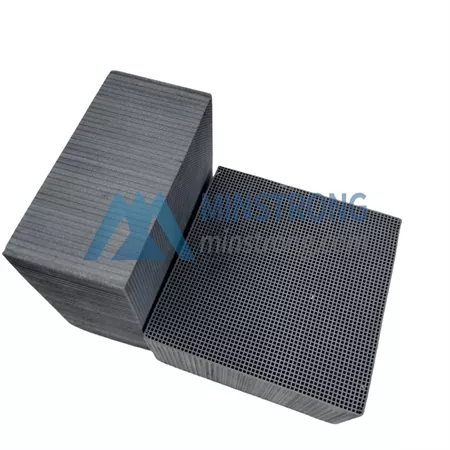
Carbon Monoxide Catalyst FAQ: Frequently Asked Questions
Addressing the core pain points of potential buyers, this article systematically outlines common issues associated with carbon monoxide catalysts and provides corresponding solutions, helping enterprises achieve stable compliance with emission standards and optimize costs -
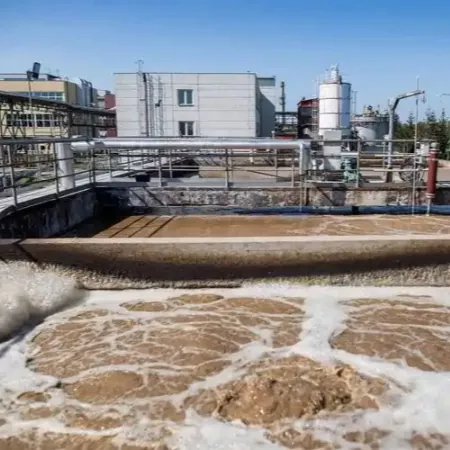
Does Manganese Dioxide as a Catalyst Cause Secondary Pollution?
This paper systematically evaluates the issue of secondary pollution associated with the use of manganese dioxide (MnO₂) as a heterogeneous catalyst in environmental catalysis applications (such as catalytic ozonation and persulfate activation). By analyzing the physicochemical stability of manganese dioxide, the behavior of manganese ion leaching under reaction conditions, the waste characteristics of spent solid catalysts, and potential ecotoxicological effects, a definitive conclusion is reac -

Electrolytic Manganese Dioxide (EMD) vs. Chemically Processed Manganese Dioxide (CMD): Which is the Optimal Choice for H...
High-performance lithium-manganese batteries impose stringent requirements on the purity, structure, and electrochemical activity of the cathode material. Electrolytic manganese dioxide (EMD) and chemically processed manganese dioxide (CMD), as two mainstream manganese sources, differ significantly in their preparation processes, physicochemical properties, and battery performance. This article provides an in-depth comparative analysis from five dimensions: crystal structure, impurity content, d -
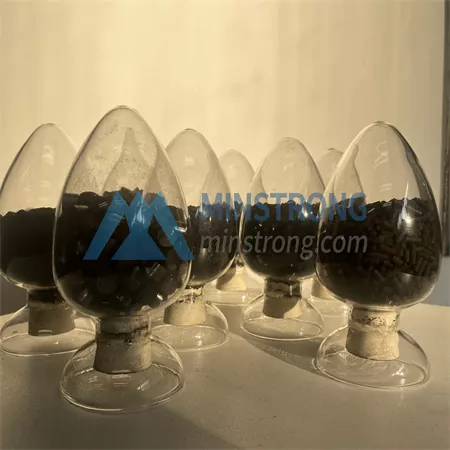
How to Solve the Problem of Excessive Pressure Drop in Ozone Catalysts?
In catalytic ozone oxidation processes, excessive pressure drop is a major cause of soaring system energy consumption, reduced treatment capacity, and even shutdown and blockage. This article analyzes in depth the three core dimensions leading to abnormal pressure drop—catalyst selection and mechanical strength, reactor structural design, and operation and maintenance strategies—and proposes targeted solutions. By optimizing catalyst shape, improving loading methods, and precisely cont
WeChat
Scan the QR Code with wechat