 Minstrong Technology Co., Ltd
NEWS
-
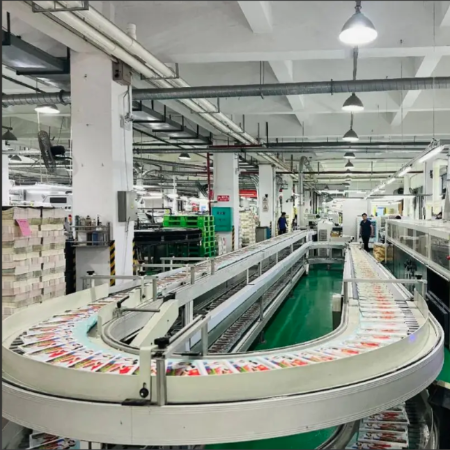
Printing and Spraying Waste Gas Treatment: How to Precisely Adapt Ozone Decomposition Catalysts to Operating Conditions?
After UV photolysis or low-temperature plasma treatment, waste gas from the printing and spraying industry often retains high concentrations of ozone, causing secondary pollution. If the ozone decomposition catalyst is not matched to the actual operating conditions, it will lead to a sharp drop in efficiency and a shortened lifespan. This article analyzes the core logic of catalyst adaptation to operating conditions from four dimensions: waste gas humidity, temperature, space velocity, and impur -
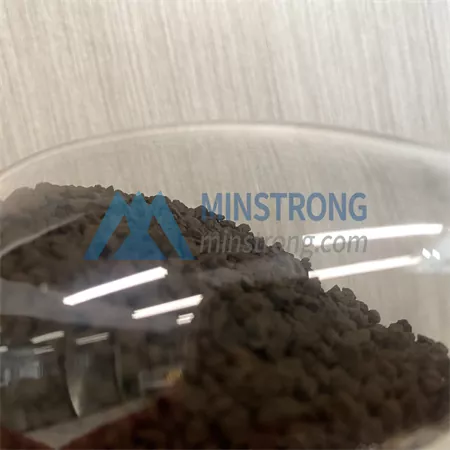
Are there any simple and effective regeneration methods after hopcalite catalysts fail?
hopcalite catalysts, as highly efficient room-temperature CO purification materials, often deactivate rapidly in practical applications due to problems such as water vapor and carbonate deposition, leading to decreased purification efficiency and soaring replacement costs. This article analyzes its deactivation mechanism in depth and clearly points out that heating regeneration is a simple, low-cost, and effective regeneration method: for water poisoning, heating at 100-130℃ for 4-10 m -
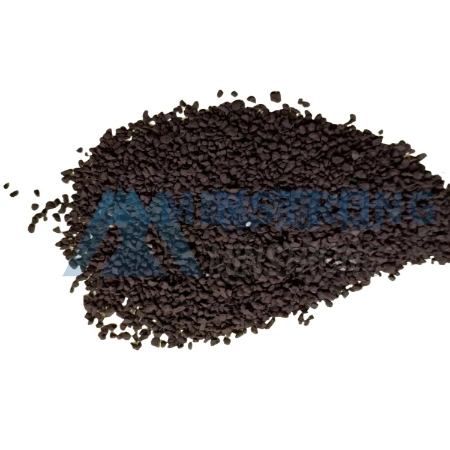
Why Has Hogallat Catalyst Become the Core Choice for Industrial Carbon Monoxide Removal?
As a specialized catalytic material for removing carbon monoxide at room temperature, Hogallat catalyst, with its advantages of not requiring high temperatures, high removal efficiency, and strong adaptability, has become a core material for air purification in confined spaces, industrial waste gas treatment, and gas purification in air separation equipment. It precisely solves the technical pain points of efficient carbon monoxide removal in industrial scenarios and is suitable for the stringen -
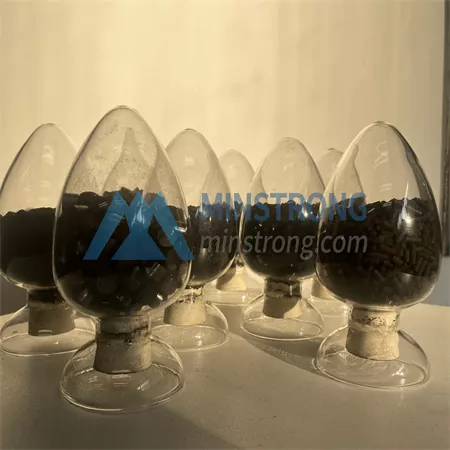
How to Solve the Problem of Excessive Pressure Drop in Ozone Catalysts?
In catalytic ozone oxidation processes, excessive pressure drop is a major cause of soaring system energy consumption, reduced treatment capacity, and even shutdown and blockage. This article analyzes in depth the three core dimensions leading to abnormal pressure drop—catalyst selection and mechanical strength, reactor structural design, and operation and maintenance strategies—and proposes targeted solutions. By optimizing catalyst shape, improving loading methods, and precisely cont -
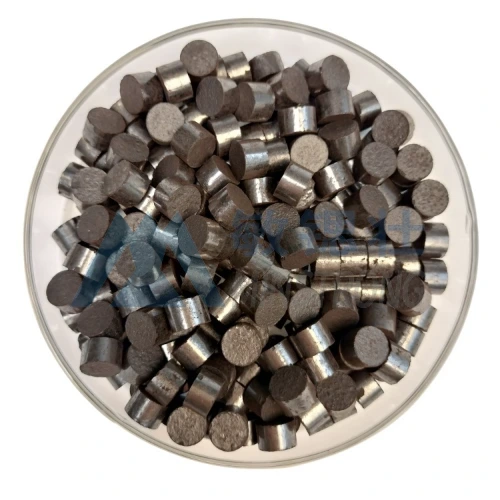
How to Select a Support for Copper Oxide Catalysts in Industrial Use?
This article addresses the pain points in selecting copper oxide supports for carbon monoxide and ozone decomposition catalysts, analyzes the performance differences of mainstream supports, clarifies the selection logic for different operating conditions, and provides professional reference for the industrial application and anti-poisoning selection of copper oxide catalyst supports. -
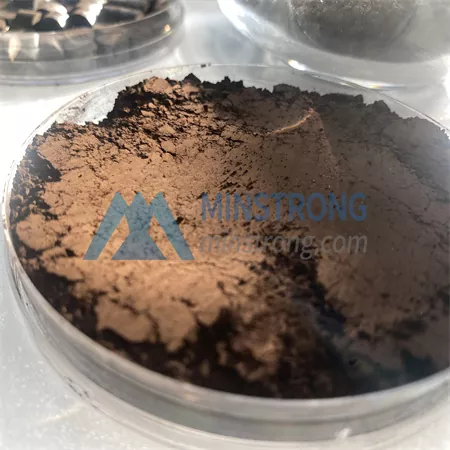
Applications and Advantages of Copper Oxide Catalysts in Gas Purification
In industrial waste gas treatment, air purification, energy and chemical engineering, and environmental catalysis, catalysts are the core materials for achieving efficient pollutant removal. Copper oxide (CuO), with its excellent redox activity, good thermal stability, and cost advantage, has become a widely used transition metal oxide catalyst. Compared with precious metal catalysts, copper oxide catalysts combine economy and practicality, playing an irreplaceable role in various harmful gas tr -
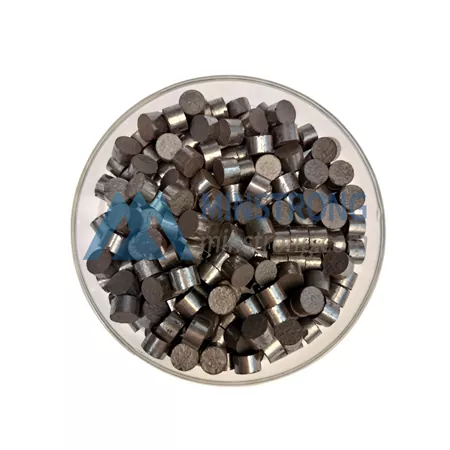
Can Low-Temperature VOC Catalysts Really Reduce Operating Costs?
Volatile organic compounds (VOCs) are important precursors to air pollution and ozone formation. Catalytic oxidation technology, with its advantages of low temperature, high efficiency, no open flame, low energy consumption, and no secondary pollution, has become the mainstream solution for industrial VOC treatment. This article provides a practical reference for VOC catalyst selection for industries such as coating, printing, chemical, and pharmaceutical, starting from the principles, types, se -
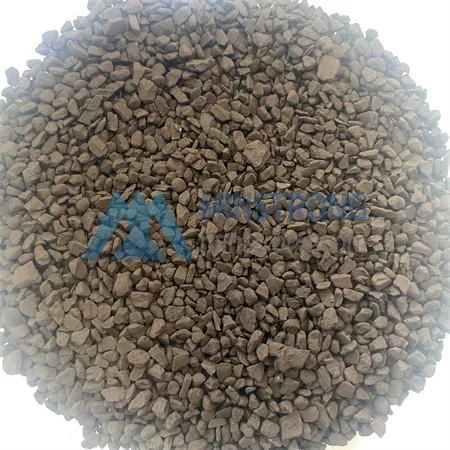
Why does high humidity affect the performance of ozone catalysts?
Ozone catalysts rely primarily on surface active sites and porous structures to achieve efficient ozone decomposition. Their catalytic activity, reaction efficiency, and lifespan are highly dependent on surface state and structural integrity. High humidity weakens the catalytic effect from multiple dimensions, including physical, chemical, and structural aspects, and can even cause irreversible deactivation. Therefore, pre-humidification is essential in practical applications to ensure long-term -
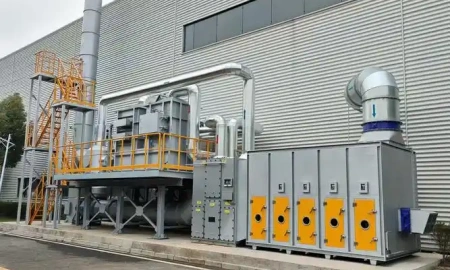
What are the types of catalysts?
Catalysts are extremely diverse and can be classified according to multiple dimensions such as composition, phase, mechanism of action, and function. -
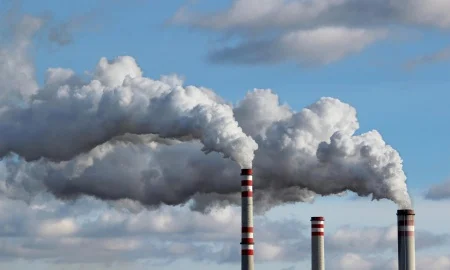
Common gaseous pollutants and their treatment
The choice of treatment method for different gaseous pollutants depends on multiple factors such as the chemical properties of the pollutants, their concentration, gas volume, temperature and humidity, emission standards, and cost budget. Main treatment methods are divided into two categories: "recycling" and "conversion". -
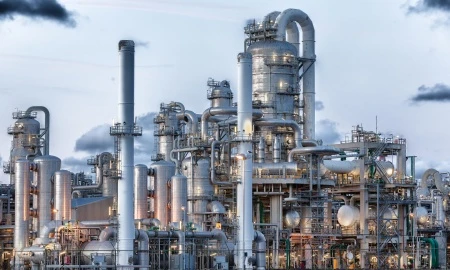
Requirements for the use of exhaust gas treatment catalysts in cold environments
The extremely cold environments of high-latitude regions such as Russia and the Nordic countries , factories or engineering projects applying catalysts to treat waste gases face the significant challenge of "ultra-low temperature start-up . " This requires the entire waste gas treatment system to have excellent low-temperature start-up and condensate drainage performance, and the catalyst itself to possess good low-temperature activity and thermal shock resistance . -
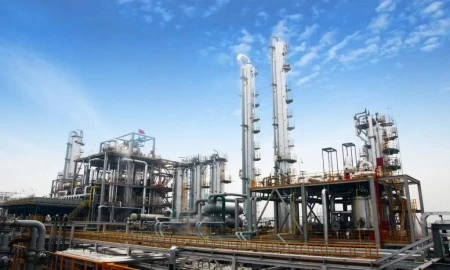
Requirements for the use of exhaust gas treatment catalysts in humid and hot environments
In South Asia and Southeast Asia, where the environment is characterized by high temperature and humidity, factories or engineering projects face far more challenges when using catalysts to treat waste gas than in temperate or arid regions . This presents a system engineering challenge: how to apply catalysts stably, efficiently, and for a long lifespan .
WeChat
Scan the QR Code with wechat